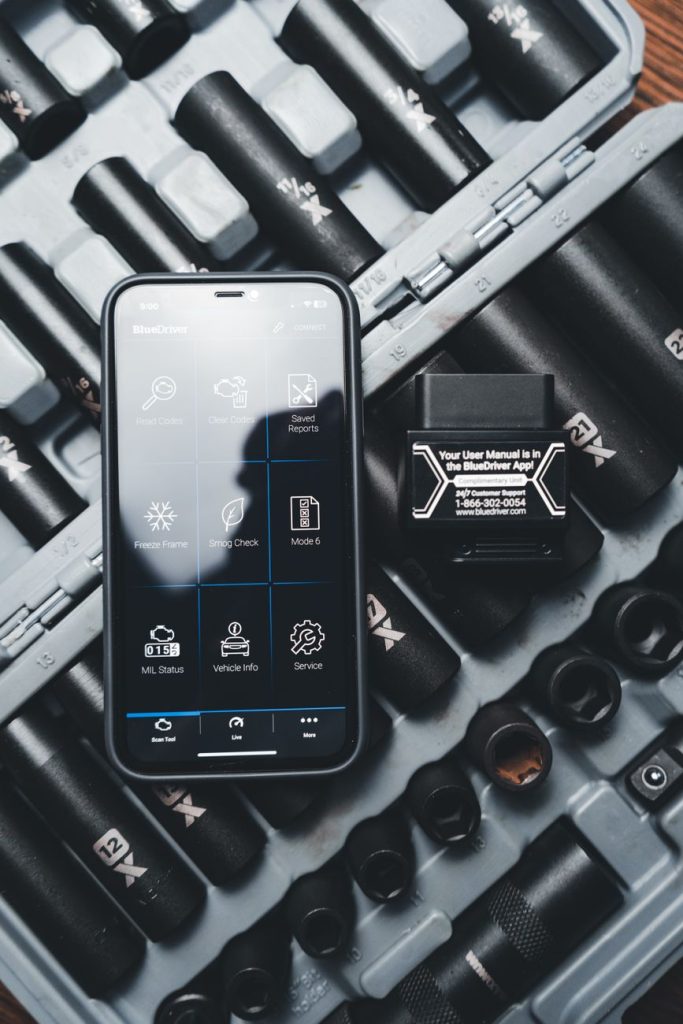
Diagnostic Myths: Why Reading Codes Isn’t Enough
“They plugged in the machine and it told them what’s wrong.” That sentence describes how most people think car diagnostics works — and it’s the most expensive myth in auto repair. Here’s what fault codes actually are, and why real diagnostics starts where the code reader stops.
Myth 1: The Code Tells You Which Part to Replace
A fault code reports a symptom the computer noticed, not a guilty part. An oxygen sensor code, for example, often means the sensor is accurately reporting a problem somewhere else — a vacuum leak, a fuel delivery issue, an exhaust leak upstream. Replace the sensor and the problem remains, minus the cost of the part and labour. Codes are the starting pistol, not the finish line.
Myth 2: A Free Code Scan Equals a Diagnosis
Reading codes takes thirty seconds. Diagnosis is what happens next: live data analysis, component testing, wiring checks, scope measurements where needed, and verifying the actual failure before recommending the repair. When a shop charges for diagnostics, that’s the work being billed — the testing that prevents you from buying parts you don’t need.
Myth 3: No Code Means No Problem
The computer only flags what its sensors can see and what its programming considers a fault. Mechanical issues — worn bearings, sticking calipers, failing mounts, early compression loss — can be very real long before any light comes on. Conversely, a car can feel fine while storing codes that predict a future breakdown. The dashboard is not a health report.
Myth 4: All Scan Tools Are Equal
A basic reader sees generic engine codes. Professional platforms see manufacturer-specific systems — transmission, ABS, body modules, network communication — plus live data and bidirectional controls that let a technician command components and watch them respond. The tool matters, but the person interpreting the data matters more.
What Honest Diagnostics Looks Like
Verify the complaint. Gather the evidence — codes and data. Test the suspects instead of assuming. Find the root cause. Fix that, and then prove the fix worked. It’s a process, and it’s precisely why a proper diagnosis is the cheapest part of any repair: it makes sure every dollar after it is spent on the actual problem.
Tired of guesswork? Book real diagnostics at Triple E in Etobicoke — we find causes, not just codes.